How Airline Credit Card Rewards Are Changing the Economics of Travel
Airline tickets may look like the main product airlines sell, but there is another business operating behind the scenes: loyalty.
Airline miles, frequent flyer programs, and credit card rewards have become a major part of the travel industry. For travelers, these programs can mean free flights, upgrades, and better travel experiences. For airlines, loyalty programs can represent a valuable source of revenue and customer retention.
That creates an interesting shift in the airline industry. The competition is no longer only about who can offer the lowest airfare. It is also about who can build the strongest loyalty ecosystem.
The Airline Business Has Changed
For decades, airlines primarily competed on routes, schedules, service, and ticket prices. Today, travelers may also consider something else before choosing an airline: What will I earn from this flight?
A traveler might choose one airline over another because they are close to earning elite status. Another passenger may prefer a carrier because their credit card earns that airline's miles. Someone else may have accumulated a large balance of points that makes one airline more attractive than another.
Loyalty can therefore influence purchasing decisions even when another airline offers a cheaper ticket.
Credit Cards Have Made Airline Miles More Important
Airline loyalty programs once depended heavily on flying. The more you traveled, the more miles you generally earned.
Credit card partnerships changed that model.
Today, consumers can earn airline miles or transferable rewards through everyday spending such as dining, shopping, travel, and business expenses. This means someone can accumulate a substantial rewards balance without frequently flying.
For airlines, this creates a much larger loyalty ecosystem.
Banks and credit card companies can generate rewards activity through consumer spending, while airlines benefit from partnerships that keep travelers connected to their programs.
Loyalty Can Be More Powerful Than a Low Fare
Price remains important, but loyalty can change how travelers evaluate price.
Imagine two flights with similar schedules. One airline costs slightly less, but the other allows the traveler to earn valuable miles toward a future trip.
The cheaper ticket may not always feel like the better overall value.
This is one reason airline loyalty programs have become such an important competitive tool. They encourage customers to think beyond the price of a single ticket and consider the potential value of future rewards.
What Happens to the Miles Economy?
The growth of credit card rewards has also created a much larger market around airline miles and points.
Consumers accumulate miles in different ways. They may earn them from flights, credit cards, promotions, hotel stays, shopping portals, or other loyalty partnerships.
But accumulating miles is only one part of the equation.
Travelers also need to understand how to use their rewards effectively.
Miles can have different practical values depending on the airline, route, redemption option, availability, and travel dates. A large mileage balance does not automatically mean a traveler will receive maximum value from it.
That makes understanding your rewards balance increasingly important.
Why Travelers Should Pay Attention to Their Miles
Loyalty currencies are not the same as cash sitting in a bank account.
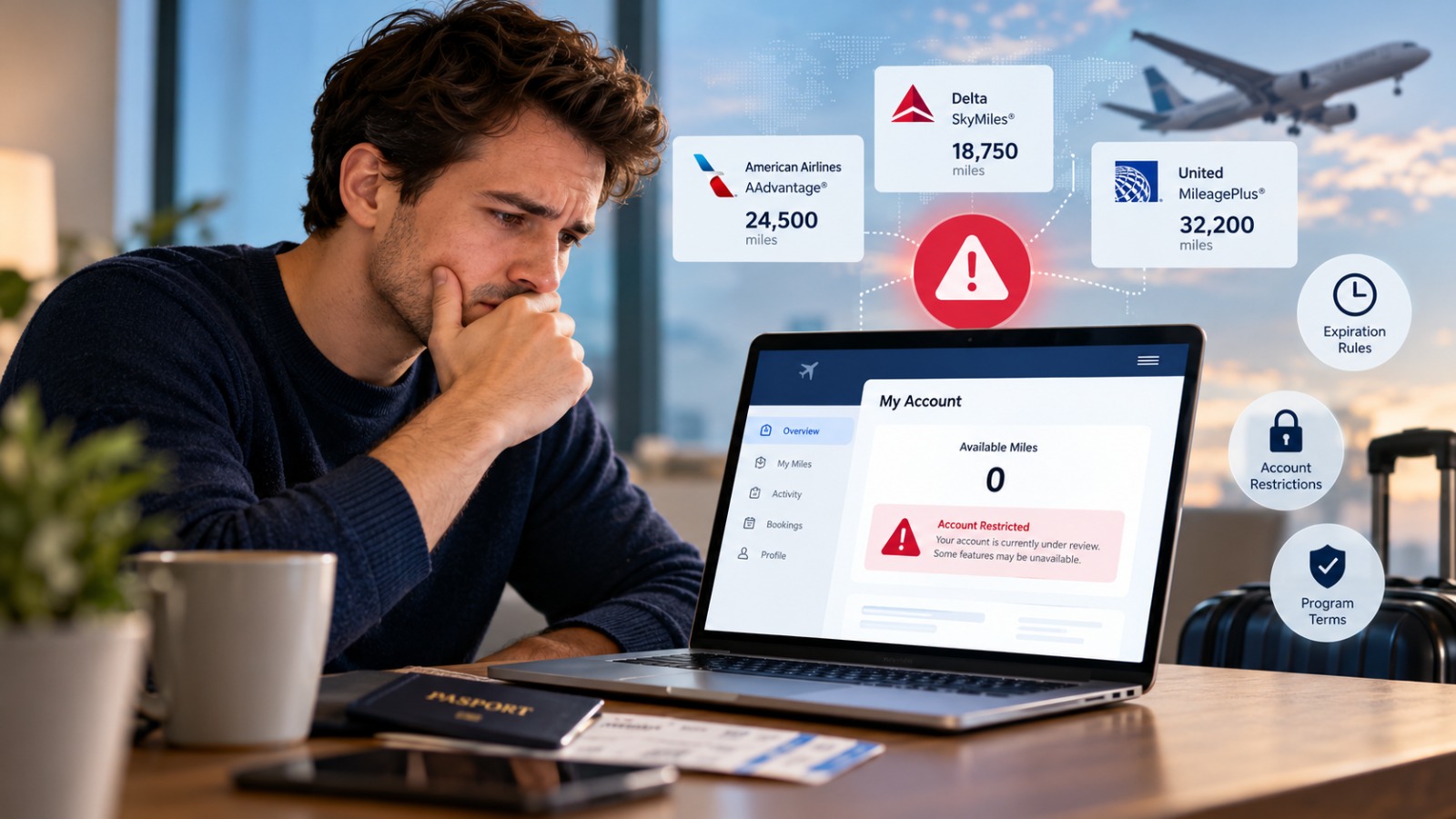
Airlines can change award charts, availability, fees, redemption rules, and program terms. A mileage balance that looks extremely valuable today may provide a different level of value later.
For that reason, frequent travelers should periodically review the miles and points they have accumulated.
Ask yourself:
- How many miles do I currently have?
- Which programs do those miles belong to?
- Am I realistically going to use them?
- Are there upcoming trips where I could redeem them?
- Would another option make better sense for miles I am unlikely to use?
A rewards balance becomes more useful when you have a clear plan for it.
The Bigger Picture for Travelers
The changing airline industry shows that the value of travel is no longer limited to the ticket itself.
Airlines compete for passengers. Banks compete for credit card customers. Loyalty programs compete for engagement. Travelers sit at the center of this ecosystem, accumulating miles and deciding when and how to use them.
That creates both opportunities and challenges.
Rewards programs can help travelers reduce the cost of future trips, but they also require attention. Understanding where your miles came from, how they can be used, and whether you are likely to use them can help you make more informed travel decisions.
Your Miles Have Value. Know What You Have.
The growth of airline credit cards and loyalty programs has made miles an increasingly important part of the travel economy.
Whether you earn miles through flying, credit card spending, or other rewards programs, keeping track of your balances can help you avoid letting valuable rewards sit unused.
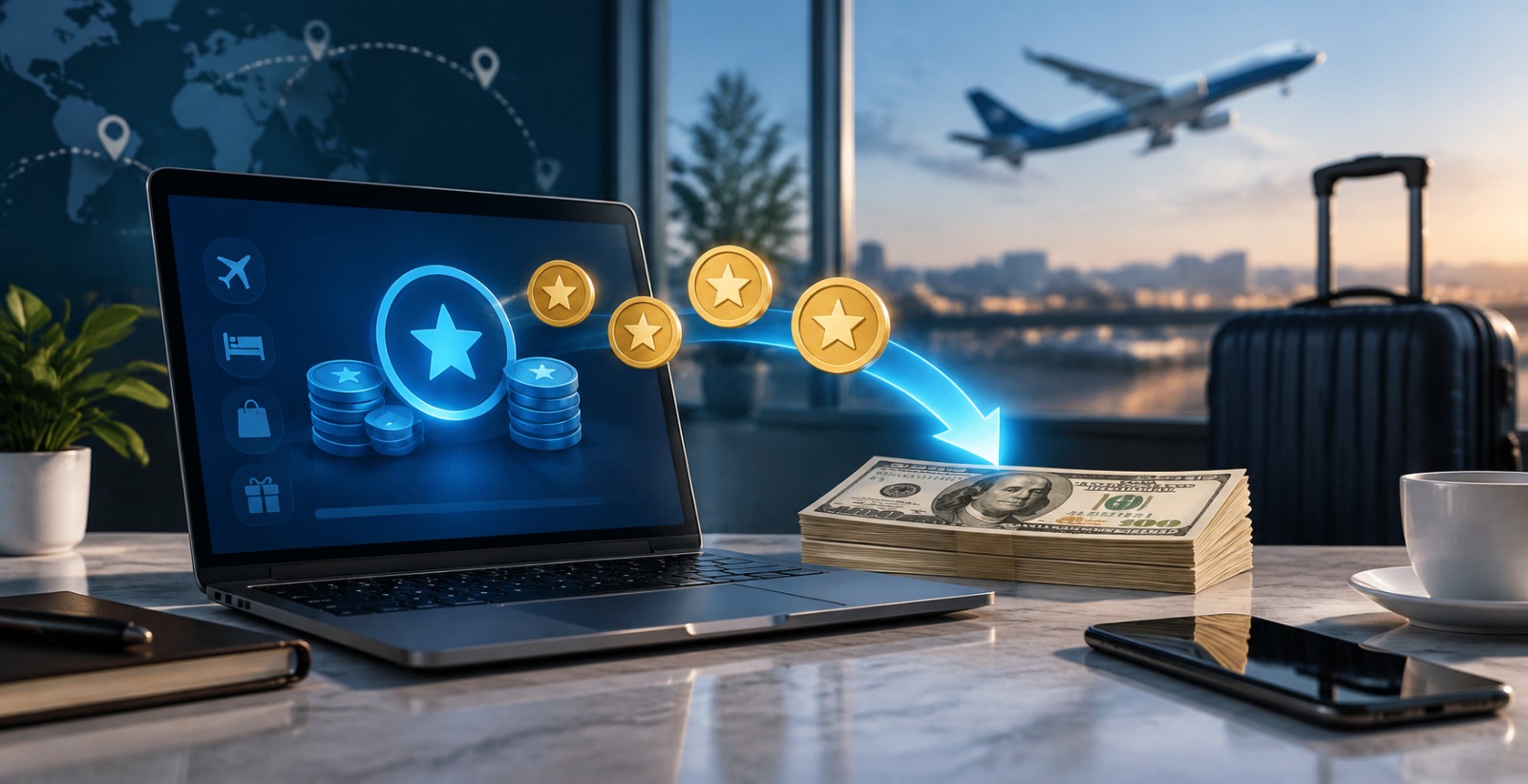
If you have miles you are unlikely to use, exploring your options can be another way to make better use of the rewards you have accumulated.
Before your next trip, take a look at your miles. You may have more travel value sitting in your rewards accounts than you realize.
Explore your options with SellMyMiles and learn more about your airline miles.