Is It Legal to Sell Airline Miles or Credit Card Points?
You open your airline loyalty account and discover that you have 100,000, 300,000, or perhaps even more miles sitting unused. You are not planning a trip, award availability is limited, and cash would be much more useful.
Naturally, one question comes to mind:
Can you sell airline miles or credit card points for cash?
The short answer is more complicated than a simple yes or no.
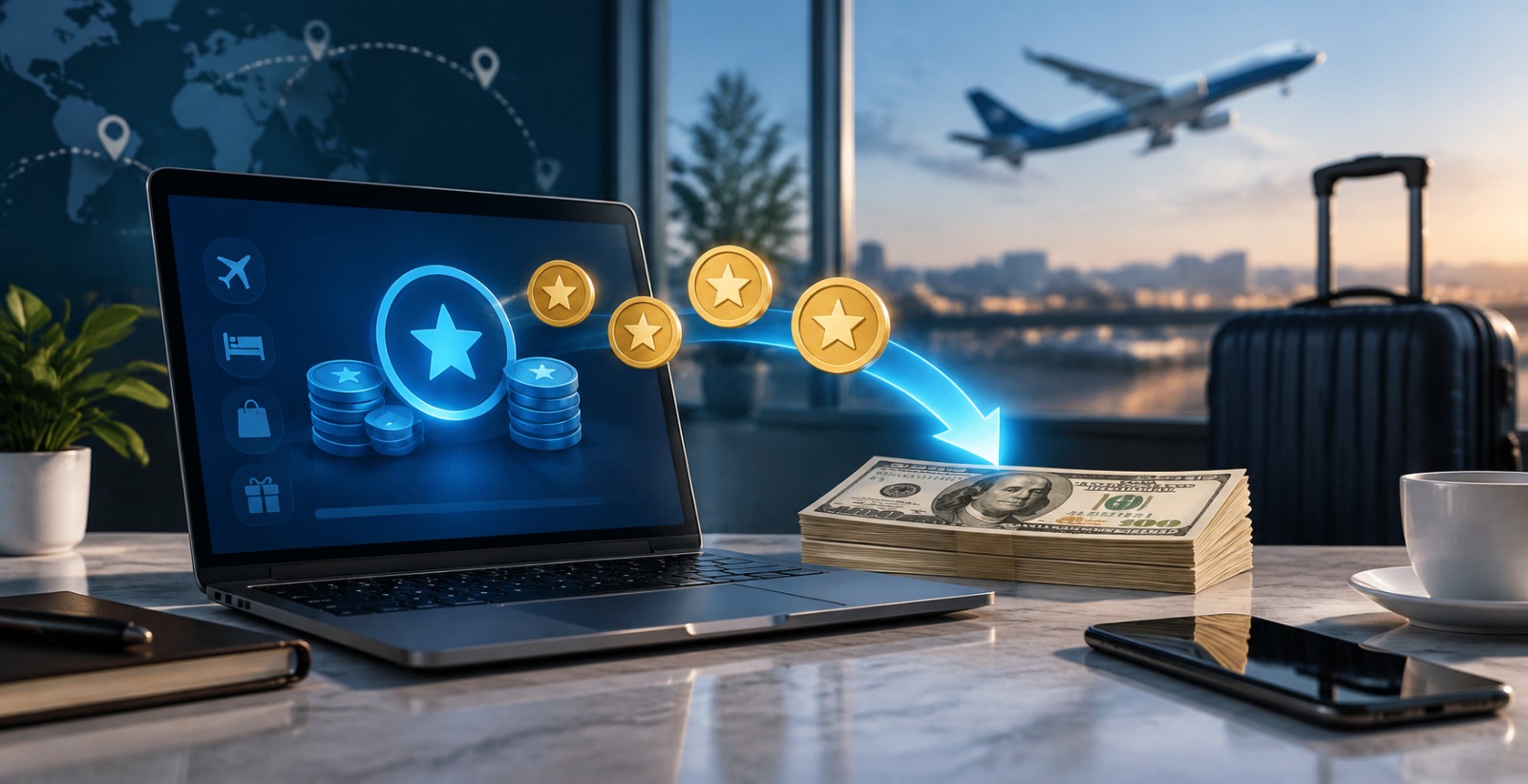
Services exist that allow consumers to receive cash offers for unused airline miles and reward points. However, airline and credit card loyalty programs have their own terms governing how rewards can be transferred, sold, gifted, or redeemed.
That distinction is important.
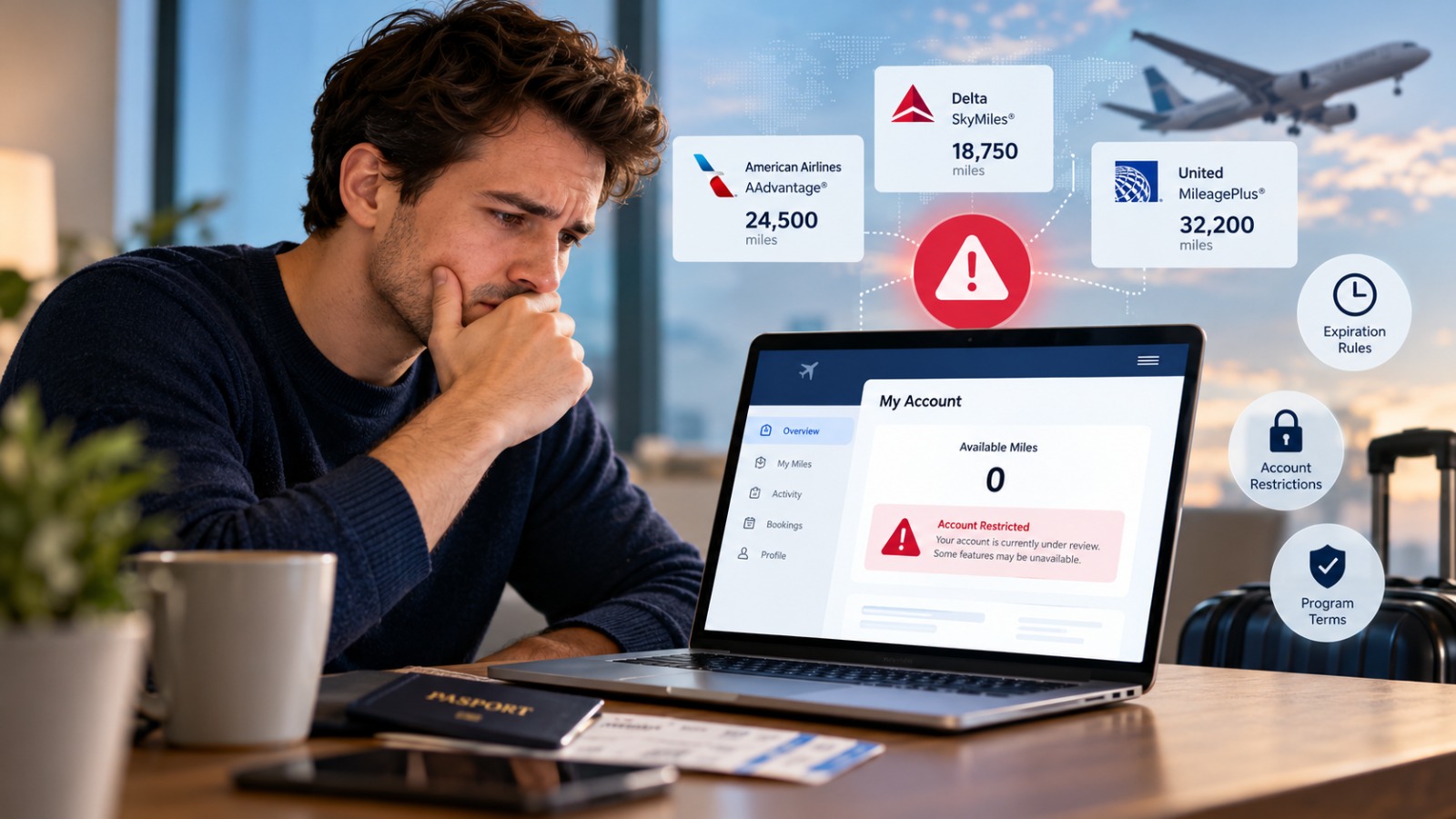
Selling miles is not automatically the same thing as committing a criminal offense, but selling or bartering rewards may violate the contractual terms of a particular loyalty program. Depending on the program, that could lead to forfeited miles, canceled award tickets, suspended accounts, or other consequences.
Before deciding to sell airline miles, understand the difference between law, loyalty-program rules, and transaction security.
Is It Legal to Sell Airline Miles?
People often search for a straightforward answer to:
“Is selling airline miles illegal?”
There is no universal answer that applies to every airline, every rewards program, every transaction, and every jurisdiction.
The better way to understand the issue is to separate two questions.
1. Is Selling Miles Against the Law?
Whether a particular transaction violates applicable law depends on the jurisdiction, circumstances, and structure of the transaction.
There is not one worldwide law declaring that every private transaction involving airline miles is automatically a crime.
However, that does not mean every method of selling miles is permitted.
2. Does Selling Miles Violate Airline Program Terms?
This is often the more immediate issue.
Airline loyalty programs establish their own contractual terms and conditions. Those terms can restrict or prohibit selling, bartering, transferring, or purchasing miles outside methods officially authorized by the airline.
For example, American Airlines' AAdvantage terms state that AAdvantage rewards and benefits generally cannot be sold, advertised for sale, or bartered except where American expressly permits it.
Delta SkyMiles rules also prohibit the sale or barter of miles and certain other program benefits.
The potential consequences described by airline programs can include:
- Loss of miles
- Account suspension or termination
- Cancellation or confiscation of award tickets
- Restrictions on future participation
- Other remedies provided under the program terms
Therefore, anyone thinking about selling airline miles should review the current rules of their specific program before proceeding.
Why Are Companies Allowed to Advertise Buying Airline Miles?
This is where many consumers become confused.
If airlines prohibit selling miles in their membership agreements, why do companies openly advertise services that buy miles and points?
The answer comes back to the difference between program rules and general law.
A loyalty-program agreement is a contract between the rewards program and its member. Violating that agreement can trigger consequences under the contract without necessarily meaning that the activity itself is automatically a criminal offense.
This is why you can find established businesses that provide mileage-related services even though individual airline programs may restrict certain transactions.
The existence of those businesses does not override airline terms.
Consumers should understand both sides before making a decision.
Can You Sell Credit Card Points for Cash?
Credit card points raise many of the same questions.
Programs such as Membership Rewards, Ultimate Rewards, ThankYou Points, and other transferable rewards currencies generally operate under their own membership agreements.
Those agreements determine:
- Who owns or controls the rewards
- How points may be redeemed
- Whether points can be transferred
- Which transfer partners are permitted
- Whether rewards can be sold or exchanged
- What happens if program rules are violated
Before trying to sell credit card points, review the current terms associated with your card issuer and rewards program.
Do not assume that the rules governing airline miles automatically apply to credit card points—or vice versa.
Why Do People Sell Their Airline Miles?
Travel rewards can be valuable, but their usefulness depends on whether you can actually redeem them.
Several situations may lead someone to consider converting miles into cash.
Your Miles Are Sitting Unused
Thousands of miles may have accumulated through flights, credit cards, business spending, hotel stays, shopping portals, or airline promotions.
If you have no upcoming travel plans, those miles may remain untouched for years.
Award Availability Is Limited
A large mileage balance does not guarantee that the flight you want will be available at an attractive redemption rate.
Dynamic award pricing has also made it harder to predict how many miles a future trip may require.
Your Travel Habits Have Changed
Maybe you used to travel every month but now fly only once or twice a year.
Perhaps your employer changed airlines or you moved to another loyalty program.
The miles remaining in your old account may no longer fit your travel habits.
You Prefer Cash Flexibility
Airline miles have limited uses.
Cash does not.
Someone who has no realistic travel plans may value the flexibility of cash more than holding rewards indefinitely.
Are Your Airline Miles Actually Worth Cash?
Airline miles do not have one fixed cash value.
Their practical value varies according to factors such as:
- Airline or rewards program
- Total balance
- Award availability
- Cabin class
- Destination
- Redemption method
- Current program pricing
- Market demand
- Program restrictions
For example, the theoretical travel value of 100,000 miles could differ substantially from the cash offer available for the same balance.
That is why you should compare your options before making a decision.
If you have an upcoming business-class redemption that delivers excellent value, keeping your miles might make sense.
If the balance has been sitting unused for several years, receiving a cash quote could help you evaluate another option.
Is It Safe to Sell Airline Miles Online?
Safety depends heavily on where and how you sell them.
Unknown buyers on social media, forums, classified websites, or messaging apps can introduce obvious risks.
Common warning signs include:
- No established business history
- No clear contact information
- Unusually high offers
- Requests for unnecessary personal data
- Vague payment terms
- Payment promised only after full account access
- Pressure to act immediately
- No privacy information
- No visible transaction process
A professional mileage broker should provide transparency before asking you to proceed.
You should know what you are being offered, how verification works, when payment occurs, what information is required, and how your data is handled.
Why Sellers Choose SellMyMiles.com
When valuable rewards and personal account information are involved, trust matters.
SellMyMiles has built its service around several factors designed to reduce transaction uncertainty.
10B+ Miles & Points Traded
SellMyMiles reports having handled more than 10 billion airline miles and reward points.
A high transaction volume demonstrates considerably more operating experience than dealing with an unknown individual buyer.
65K+ Sellers Paid Worldwide
More than 65,000 sellers worldwide have been paid through SellMyMiles, according to current company figures.
This establishes a substantial transaction history across different rewards programs and markets.
31+ Accepted Programs
SellMyMiles works with 31 airline, hotel, and credit card rewards programs, giving sellers access to one platform instead of searching for separate buyers for every type of reward.
Programs listed on the platform include airline miles, transferable credit card points, and hotel rewards.
13 Years in Business
SellMyMiles has been operating for 13 years.
Longevity matters in an industry where sellers may otherwise encounter short-lived websites or anonymous buyers with little verifiable history.
4.9-Star Google Rating
SellMyMiles currently displays a 4.9-star Google rating, providing another trust signal for consumers evaluating the service.
Together, these figures provide useful context when comparing SellMyMiles with lesser-known mileage buyers.
How SellMyMiles Makes the Selling Process Safer
No third-party rewards transaction should be described as completely risk-free, particularly because individual loyalty-program rules still apply.
However, SellMyMiles uses several safeguards designed to make the transaction process more secure and predictable.
1. Get an Offer Without Providing Account Information
The initial quote process does not require loyalty-account login information.
You select the applicable program and enter the number of miles or points you want evaluated.
This allows you to see the offer before deciding whether to continue.
2. SSL-Secured Process
SellMyMiles states that its transaction process is SSL secured.
Secure encryption is important when personal or account-related information is transmitted online.
3. Confidential Handling
The company states that customer information is handled confidentially and is not shared as part of its normal transaction process.
That is an important distinction compared with selling rewards to anonymous individuals online.
4. Payment-First Approach
One of SellMyMiles' strongest transaction safeguards is its payment-first model for applicable programs.
SellMyMiles states that sellers are paid before their miles are accessed or used, depending on the specific rewards program and transaction structure.
This reduces one of the biggest concerns sellers have: transferring valuable rewards and then waiting to see whether the buyer actually pays.
5. Established Support
SellMyMiles provides telephone, email, and WhatsApp contact options.
Being able to communicate with an established business before and during a transaction gives sellers more transparency than dealing with anonymous online buyers.
How to Sell Airline Miles Through SellMyMiles
The process is straightforward.
Step 1: Select Your Rewards Program
Visit SellMyMiles.com and choose your airline, credit card, or eligible hotel loyalty program.
Step 2: Enter Your Balance
Enter the number of miles or points you are interested in selling.
Step 3: Receive Your Cash Offer
The system generates an offer based on the program, amount, and current purchasing rates.
You are not required to accept it.
Step 4: Complete Verification
If you choose to continue, the account and transaction details are verified.
Step 5: Receive Payment
Payment options can vary according to the transaction and may include methods such as PayPal, ACH, wire transfer, or check.
Step 6: Complete the Transaction
After the applicable payment and verification requirements have been completed, the rewards transaction can move forward.
This structured process is one reason established brokers can provide a more predictable experience than informal peer-to-peer transactions.
What Should You Check Before Selling Miles?
Before selling any loyalty balance, complete these checks:
- Read your loyalty program's current terms and conditions.
- Confirm how many miles or points you actually have.
- Compare their potential travel value with the cash offer.
- Check whether you have any upcoming travel plans.
- Understand the potential consequences under your rewards program.
- Verify the reputation of the mileage buyer.
- Understand exactly when and how you will be paid.
- Provide only information necessary for the transaction.
Making an informed decision is better than focusing only on the highest advertised payout.
Should You Sell Your Airline Miles or Keep Them?
Neither option is automatically better.
Keeping your miles may make sense if:
- You have an upcoming award trip
- You regularly redeem miles efficiently
- You can obtain high value from premium travel
- You actively use the loyalty program
Selling may be worth considering if:
- You no longer travel frequently
- Your miles have been sitting unused
- You switched loyalty programs
- You cannot find useful award availability
- You prefer flexible cash
- You have more rewards than you realistically expect to use
Evaluate actual usefulness rather than simply watching the balance grow.
Sell Airline Miles with Greater Confidence
The biggest mistake consumers make is treating airline miles as either worthless digital numbers or guaranteed cash.
They are neither.
Miles and credit card points are loyalty currencies governed by specific program rules. They can have significant economic value, but how that value can be transferred or redeemed depends on the applicable program.
If you decide that converting unused rewards into cash is appropriate for you, choosing an established provider can help reduce transaction uncertainty.
SellMyMiles combines 13 years in business, 10B+ miles and points traded, 65K+ sellers paid worldwide, 31 accepted programs, and a 4.9-star Google rating with SSL-secured processing, confidential handling, automated quotes, and payment-first safeguards for applicable transactions.
Before proceeding, review the terms of your specific loyalty program and compare your redemption options.
Then, if selling fits your needs, you can request a free cash offer from SellMyMiles.com and see what your unused airline miles or credit card points may be worth.
Frequently Asked Questions
Is it illegal to sell airline miles?
There is no single universal rule making every sale of airline miles automatically illegal. However, individual airline loyalty programs may prohibit selling, bartering, or unauthorized transferring of miles under their membership terms. Those restrictions can lead to account-related consequences. Always review your specific program rules.
Can airlines close my account for selling miles?
Potentially, yes. Some airline loyalty programs expressly state that violations involving the sale or barter of rewards can result in mileage forfeiture, account suspension, or account termination.
Can I sell credit card reward points?
Third-party buyers may offer cash for certain credit card rewards. However, the terms of the specific card and rewards program should be reviewed before proceeding.
Is SellMyMiles safe?
SellMyMiles has operated for 13 years and reports 10B+ miles and points traded and 65K+ sellers paid worldwide. Its process includes SSL-secured forms, confidential handling, established customer support, and payment-first safeguards for applicable transactions. Sellers should still review their individual loyalty-program rules before making a transaction.
How many programs does SellMyMiles accept?
SellMyMiles currently lists 31 airline, credit card, and hotel rewards programs that it buys.
Do I need to provide my airline login to get a quote?
No. SellMyMiles states that its initial cash-offer process does not require account information. Verification occurs later if you decide to proceed.
How quickly can I get paid for my airline miles?
SellMyMiles advertises same-business-day payment for many transactions. Timing can depend on the rewards program, verification process, and transaction structure.
Is selling miles better than redeeming them for travel?
It depends on your situation. High-value award travel can sometimes provide greater value, while cash can offer more flexibility when you have no realistic plans to use the miles.